
Food: the groceries your family already knows

The best emergency food is the stuff your family already likes to eat — just shelf-stable versions of it. You don't need military rations or $400 buckets of freeze-dried stroganoff. A single trip to the regular grocery store covers a full week.

Heads up: Some links below are affiliate links. If you buy through them we may earn a small commission at no extra cost to you. Full disclosure →

The rule: store what you eat, eat what you store

Rotation is everything. A $200 long-term food bucket you throw out in five years is a waste. Twenty cans of soup and chili your family eats through normally are not — you just keep the pantry one layer deeper than you used to.

The 72-hour grocery list (family of four)

All of this is available at any supermarket. About $60 total.

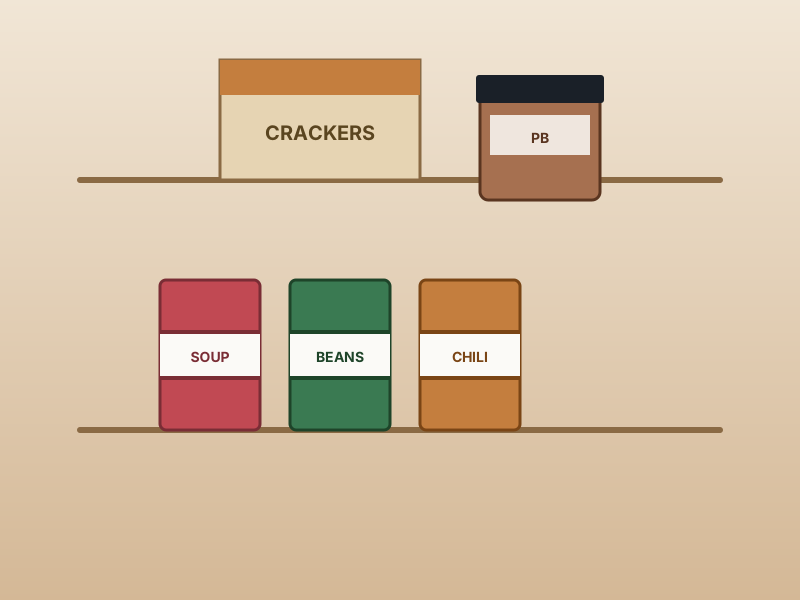
  • 12 cans of hearty soup or chili
  • 4 cans of tuna or chicken + 1 jar mayo packets
  • 1 jar peanut butter + 1 box crackers
  • 2 boxes shelf-stable milk (Parmalat-style)
  • 1 box cereal or 1 bag instant oats
  • 1 bag trail mix or dried fruit
  • 1 box granola bars (12 count)
  • 1 jar coffee or tea bags + honey
  • 1 pack of manual can opener (yes — the can opener is the secret)
Box of shelf-stable meal pouches.
Best for short outages

Tasty Bite / Kitchens of India Shelf-Stable Meals

Real meals in a pouch, room-temp or heated. 18-month shelf life. Kids actually eat them.

Pros

  • No cooking required
  • Flavors families recognize
  • Eats down into normal meals, so no waste

Cons

  • Higher per-meal cost than cans
  • Shelf life is months, not years
Bucket of freeze-dried meals for long-term storage.
Best for deep storage

Mountain House 2-Week Food Bucket

25+ year shelf life. Needs hot water to prepare. Good for homes with a power-station or camp stove.

Pros

  • Set and forget for decades
  • Stores in a closet corner
  • Same meals hikers and soldiers trust

Cons

  • Needs hot water — pairs with a camp stove
  • Saltier than typical home cooking
Single-burner butane camp stove.
Accessory · Cook without power

Single-Burner Butane Camp Stove

Uses £4 butane canisters (same kind as kitchen torches). Brings a pot of water to a boil in 4 minutes.

Pros

  • Under $30 including two canisters
  • Tiny footprint, stores under a bed
  • Works outdoors or on a well-ventilated porch

Cons

  • Never use indoors — outside or on a porch only
  • One burner at a time

What to eat first (and why)

When the power goes out, eat in this order to minimize waste:

  1. Fridge — first 4 hours, while it's still cold.
  2. Freezer — next 24–48 hours if you don't open the door.
  3. Pantry and shelf-stable — after the perishables.

Don't forget dietary needs

Emergencies don't pause food allergies or dietary restrictions. Stash gluten-free, lactose-free, or low-sodium versions of staples if anyone in your household needs them. Baby formula and pet food go on the same list.

Related reading